


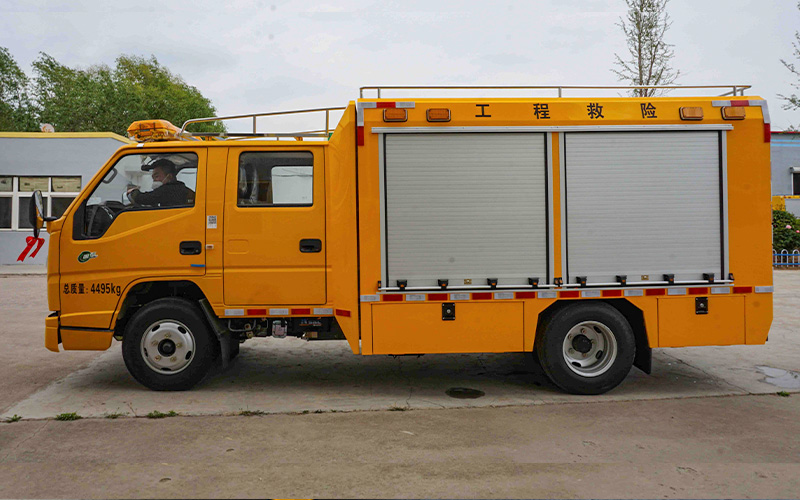
Engineering rescue vehicle - escorting your engineering project
Engineering rescue vehicle - escorting your engineering project
introduction:
In modern society, the construction of engineering projects has become an important force in promoting economic development and social progress. However, whether it is a large-scale project or a small-scale task, it may face some unexpected difficulties and problems. In order to effectively address and solve these difficulties, engineering rescue vehicles have emerged. This article will comprehensively introduce the characteristics and applications of engineering rescue vehicles, aiming to provide strong support for a wide range of engineering projects.
Section 1: Overview of Engineering Rescue Vehicles
Engineering rescue vehicles refer to vehicles specifically used for rescue and emergency repair work in engineering projects. They are typically equipped with powerful power systems, professional repair equipment, and a wide range of rescue tools to face various complex and diverse challenges. Engineering rescue vehicles can be used in construction sites, road construction sites, railway construction, and other engineering fields. Their versatility and efficiency make them essential equipment for every engineering project.
Section 2: Functions and Characteristics of Engineering Rescue Vehicles
1. Multifunctionality
The engineering rescue vehicle combines multiple rescue functions into one. They can carry and transport a range of rescue equipment, such as cranes, excavators, compressors, and so on. In addition, the engineering rescue vehicle can also provide emergency power supply, fire rescue, pumping and infusion, and emergency repair services. The diversity of these functions makes the engineering rescue vehicle the ultimate tool for dealing with various emergencies.
2. High maneuverability
Engineering rescue vehicles usually have excellent maneuverability and can adapt to various complex terrains and working conditions. They are equipped with powerful power systems and reliable chassis, allowing them to quickly navigate through different road and construction environments. Whether on solid ground or muddy construction sites, engineering rescue vehicles can travel steadily, providing strong support for rescue work.
3. Rapid response capability
As emergency rescue equipment, engineering rescue vehicles must have the ability to respond quickly. They are usually equipped with efficient communication systems and emergency carrying tools to quickly respond to various emergencies. Whether it is on-site repair or accident rescue, engineering rescue vehicles can arrive at the scene in the shortest possible time, providing the necessary assistance and support.
Section 3: Application Scenarios of Engineering Rescue Vehicles
1. Construction site
Engineering rescue vehicles play an important role in construction sites. They can be used to provide quick repair and emergency repair of mechanical faults, helping construction teams solve various equipment failures and malfunctions. In addition, the engineering rescue vehicle can also carry large building materials and equipment, providing strong transportation capacity.
2. Road construction
During the process of road construction, engineering rescue vehicles can be used for emergency repairs and rescue in case of road collapses, bridge failures, and other urgent situations. They can quickly arrive at the scene, carry out necessary repair work, and provide strong support for ensuring smooth traffic.
3. Railway construction
In railway construction, engineering rescue vehicles are one of the essential equipment. They can cope with emergency situations such as railway track bed subsidence and line faults, and quickly carry out repair work to ensure the safety and smoothness of railways.
Conclusion:
Engineering rescue vehicles play an important role in engineering projects due to their multifunctionality, high maneuverability, and rapid response capabilities. They provide reliable rescue and repair support for various construction activities, improving the efficiency and safety of engineering projects. In the future, with the continuous development of the engineering field, engineering rescue vehicles will be further improved and innovated to safeguard various engineering projects.
客户信息
Name
Email*
Company*
Whats App*
Message
Contest Entry Form – Win Exclusive Gifts


